
Sea Turtles, Dolphins, and Rays: Destin’s Wildlife Calendar
Sea Turtles, Dolphins, and Rays: Destin’s Wildlife Calendar
The first time you see a dolphin from a Destin balcony, it changes the trip. The pod moves parallel to the beach in the calm water just past the swimmers, close enough to watch without binoculars, and then it is gone. Sea turtles are quieter about it. You will probably never see one, unless you are lucky on a morning walk in nesting season and spot the unmistakable crawl tracks in the sand. And if you wade out on a summer afternoon and a dark shape glides under your feet, that is most likely a ray, doing exactly what rays do in shallow Gulf water.
Destin’s wildlife is not a sideshow. It is the reason the water here feels alive, and it runs on a calendar. Sea turtles nest in the warm months, rays migrate in spring and fall, dolphins stay all year but show up at particular hours, and the birds change with the seasons. This guide lays out that calendar month by month, tells you where to look, and covers the few rules that keep the animals safe, because watching wildlife the right way is what keeps it here for the next visitor.
Sea Turtles in Destin
Sea turtle nesting season in Northwest Florida runs May 1 through October 31, and Destin’s beaches are part of it. The loggerhead is the turtle you are most likely to share the beach with. Females come ashore at night, dig a nest above the high-tide line, lay around 100 eggs, and return to the Gulf. Green turtles nest here too, in smaller numbers, and leatherbacks and Kemp’s ridleys pass through the Gulf, though they rarely nest on this stretch.
The eggs hatch about 45 to 60 days after they are laid, so the first hatchlings usually appear in late July and the season runs into fall. Hatchlings emerge at night and crawl toward the brightest horizon, which for millions of years was the moonlit Gulf. That is why beachfront lights matter so much: a porch light or a flashlight pointed the wrong way can pull a hatchling inland, where it will not survive.
Your best chance of seeing turtle sign is a quiet morning walk between May and October. Look for the crawl tracks, two parallel flipper marks with a tail drag down the middle, leading from the water to a disturbed patch of sand and back. Nests are marked and roped off by trained volunteers, so if you see stakes and tape, give them a wide berth and keep dogs leashed and away. If you come across a hatchling on the sand during the day, do not pick it up, do not put it in the water, and do not shine a light on it. Step back, keep others back, and call the Florida Fish and Wildlife Conservation Commission hotline at 888-404-3922. The same number covers a stranded or injured turtle, dolphin, or manatee anywhere in Florida.
One more nesting-season habit worth building into every beach day: fill in sand holes and knock down sandcastles before you leave, and take chairs, umbrellas, and toys off the beach at night. A nesting turtle can get stuck in a deep hole, and a hatchling can fall in and never climb out. It takes two minutes and it genuinely saves turtles.
Dolphins in Destin
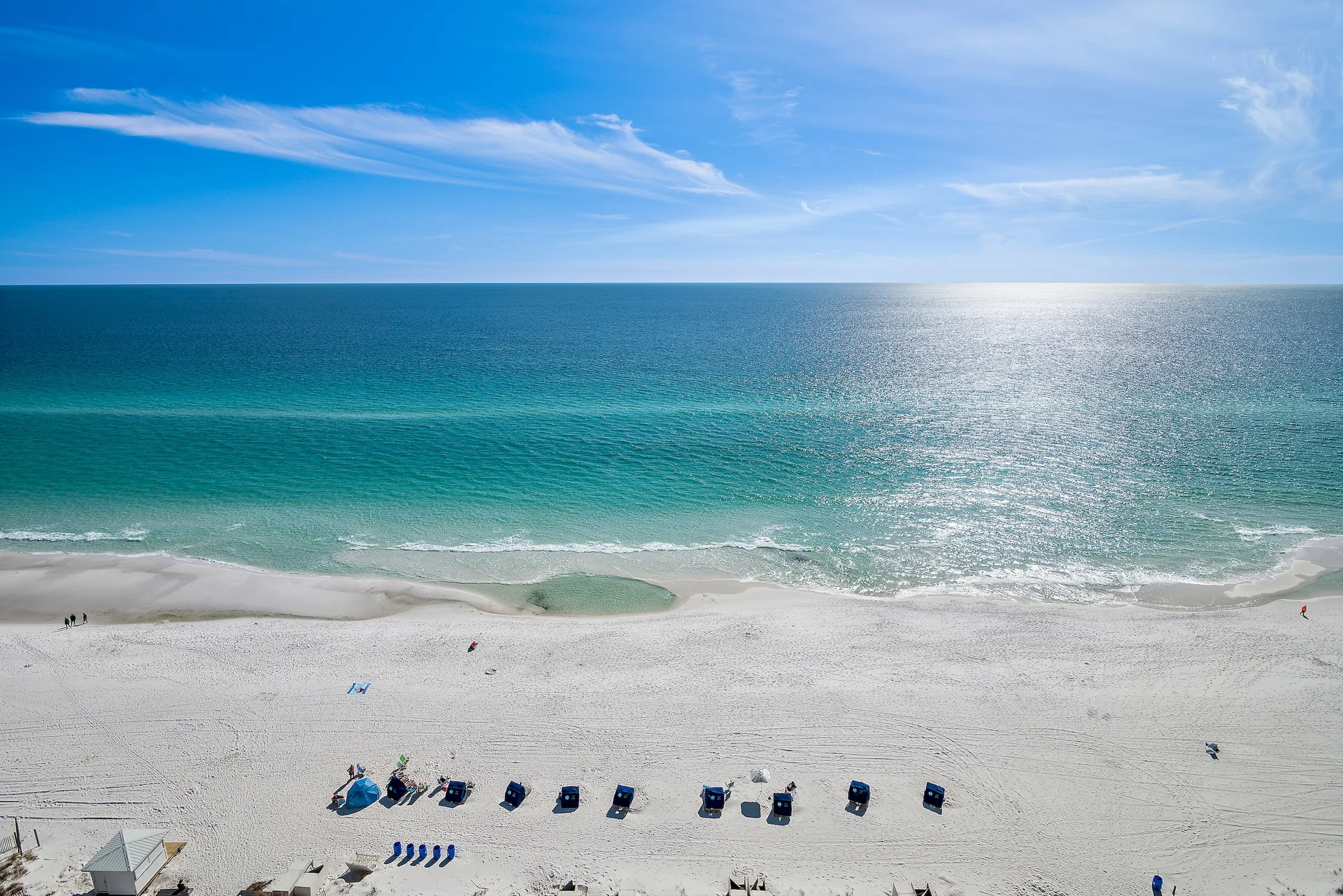
Dolphins are the reliable stars of Destin wildlife. Bottlenose dolphins live in the Gulf and the bay year-round, so there is no wrong month, only better hours. Dawn and dusk are the best times. The water is calm, the boats are fewer, and the pods come in close to feed along the sandbars. From a beachfront balcony, look for the rolling dorsal fins and the small splash of a surfacing pod, usually moving parallel to shore. Morning coffee on the balcony is, honestly, the easiest dolphin watching in Destin, and it costs nothing.
If you want a closer look, a dolphin cruise is the way to do it. The boats run out of Destin Harbor, through the East Pass jetties, and into the open Gulf, where the captains know where the pods have been feeding. Morning departures tend to be calmer and better for kids; sunset departures pair the dolphins with the best light of the day. Our Destin on the water guide covers cruises, sunset sails, and Crab Island trips in one place, and a sunset cruise is the natural way to combine the two.
A few rules apply on the water as well as on land. Federal law protects dolphins: never feed them, never swim up to them, and never chase a pod with a boat or a jet ski. Reputable captains keep a respectful distance and let the dolphins come to the boat on their own terms, which they often do. If you are renting a boat or a jet ski yourself, slow down when you see a pod and give it a wide berth. The same goes for Crab Island, where dolphins sometimes cruise the shallow sandbar area in the morning before the crowds arrive.

Rays, and the Occasional Whale Shark
Rays are the wildlife most visitors actually meet, usually by accident. On a summer afternoon, wading in waist-deep water, you may see a flat dark shape glide past your feet or feel the water move around you. That is most often a stingray resting in the shallows or a cownose ray passing through. They are not aggressive, but a stepped-on stingray will sting, so the old Florida advice holds: shuffle your feet as you walk into the water instead of lifting them. The shuffle warns the ray and gives it time to move away.
Cownose rays migrate along the Gulf coast in big schools, and Destin sees the peak of that movement in spring, roughly March through May, and again in fall. From a high balcony or a boat, a passing school looks like a dark, moving cloud just under the surface, and it is one of the most striking sights on the Emerald Coast. Spotted eagle rays show up too, usually alone or in pairs, unmistakable with their white spots and long tails, often leaping clear of the water. If you are snorkeling, keep your distance and enjoy the show; eagle rays are shy and will move off if you crowd them.
The rarest sight of all is the whale shark. A few are spotted off the Destin coast most summers, usually by fishermen or charter boats several miles out. They are harmless plankton eaters, and the sightings are pure luck, so do not plan a trip around one. But if a charter captain mentions one was seen that week, a boat tour out to the deeper water is the only realistic way to be in the right place. Manatees are another occasional summer visitor, drifting into the harbor and the bay when the water warms up. They move slowly and surface quietly, so watch for the round back and the paddle-shaped tail near the docks.
The Birds Nobody Talks About
Destin’s birds are easy to overlook because the dolphins get all the attention, but the birding here is excellent and it runs all year. Great blue herons stalk the lake at Southbay by the Gulf and the harbor docks at dawn. Snowy egrets and great egrets work the shallows. Osprey nest on channel markers and light poles around the harbor and the bay, and you will see them carrying fish back to the nest all spring and summer. Brown pelicans glide in formation just over the waves, and laughing gulls own the beach.
Two beach-nesting birds deserve a special mention because they share the sand with you. Snowy plovers, small pale shorebirds that are listed as threatened in Florida, nest in shallow scrapes on the open beach from spring into summer. Least terns nest in colonies on the sand too. Their nests are nearly invisible, which is why roped-off areas on the beach matter: a single footstep can destroy a nest. If you see posted signs or rope lines on the beach, walk around them, keep dogs leashed, and keep kids from running through the protected area.
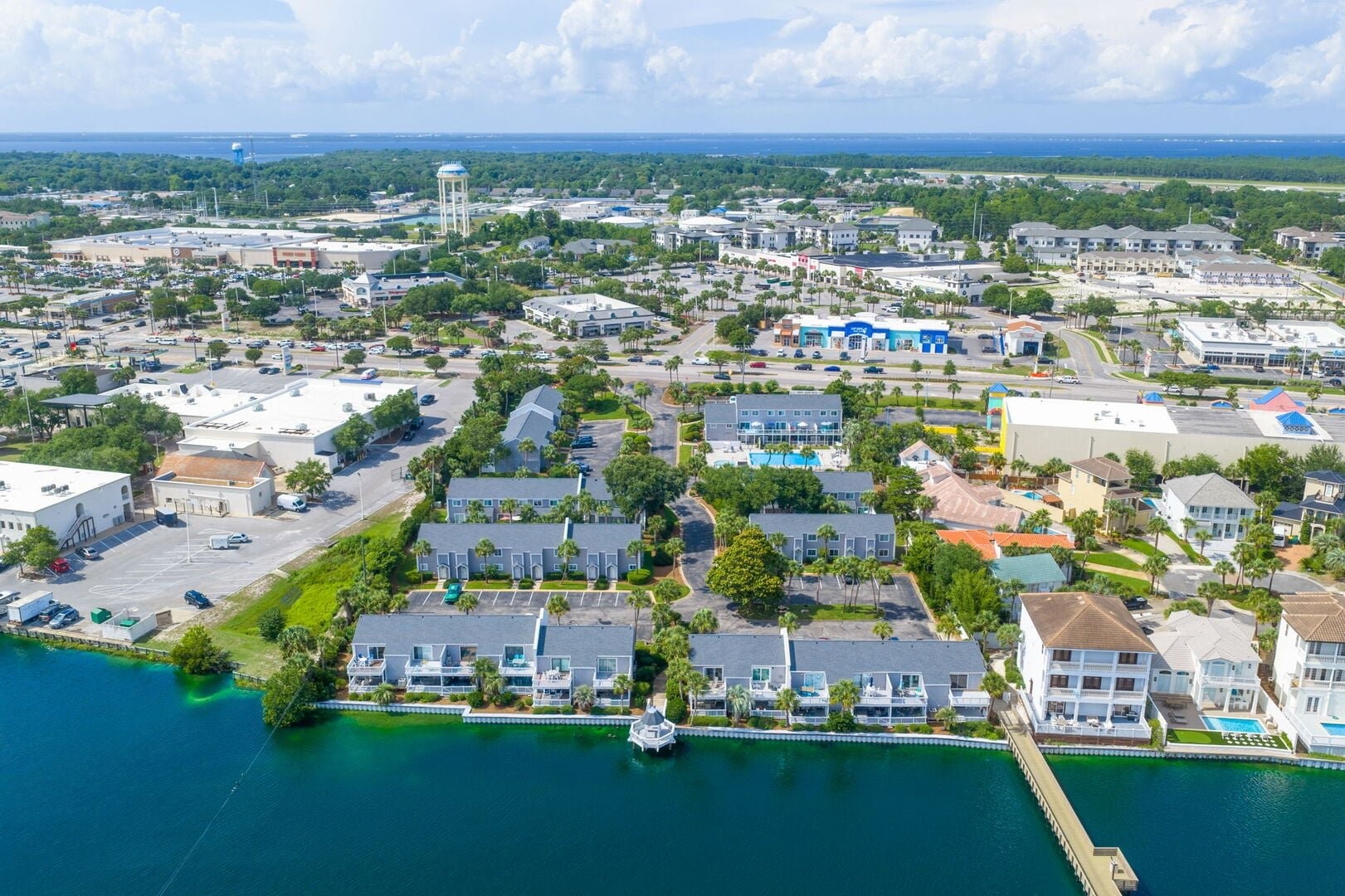
The lakefront at Southbay is the quiet birding spot most guests never think to use. Herons and egrets fish the lake edges in the morning, osprey hunt over the water, and ducks and gulls gather on the boardwalk side. A slow walk around the lake at sunrise, coffee in hand, is one of the calmest wildlife experiences in Destin, and it is steps from the front door.
Destin Wildlife Calendar, Month by Month
| Month | What to expect |
|---|---|
| January | Dolphins year-round, at their most visible on calm winter mornings. Wintering shorebirds and ducks. Quiet beaches, easy viewing. |
| February | Same as January, plus osprey starting to return and repair nests. Good month for harbor birding. |
| March | Cownose ray migration begins. Osprey nesting in full swing. Snowy plovers start nesting on the beach. Spring break crowds arrive. |
| April | Ray schools peak. Least terns arrive and start nesting. Dolphins active at dawn and dusk. Great month overall. |
| May | Sea turtle nesting season opens May 1. Lights-out rules in effect on the beach. Ray migration continues. Hatchling-free for now, nests only. |
| June | Nesting season in full swing. Morning walks may show fresh crawl tracks. Dolphins and rays active. Summer crowds build. |
| July | First hatchlings begin emerging late in the month. Rays in the shallows, so shuffle your feet. Occasional whale shark reports offshore. |
| August | Peak hatchling season. Best odds of seeing turtle tracks on a morning walk. Manatees occasionally in the harbor. |
| September | Hatchlings continue. Fall ray migration begins. Crowds thin after Labor Day, which makes dawn wildlife watching easier. |
| October | Nesting season ends October 31. Last hatchlings emerge. Fall migration brings new shorebirds through. One of the best months to visit. |
| November | Dolphins still here, beaches quiet. Wintering birds arrive. Mild weather makes morning walks pleasant. |
| December | Quietest month. Dolphins on calm mornings, herons and egrets at the lake, osprey still hunting. See our Destin in winter guide for what else is open. |
If you can only pick one month for wildlife, choose May or September. May opens nesting season and the ray migration is still going, and September keeps the hatchlings and the fall migration while the summer crowds are gone. If your dates are fixed, do not worry: dolphins and herons are here every month of the year.
How to Watch Wildlife Without Harming It
Most of this is common sense, but it is worth stating plainly, because the animals cannot ask.
- Keep your distance. Fifty yards from a dolphin is the recommended minimum. On the beach, give a nesting turtle or a roped-off nest a wide berth.
- Never feed wildlife. Fed dolphins learn to approach boats and people, and it ends badly for the dolphin. The same goes for gulls and pelicans at the harbor.
- Lights out, May through October. Turn off beach-facing lights at night, close the curtains, and never use a flashlight on the beach after dark during nesting season. If you are walking at night, use a red-filtered light.
- Leave the beach clean at night. Fill holes, flatten sandcastles, and take all gear off the sand. It is a nesting-season rule with a year-round benefit.
- Shuffle your feet. In the water from spring through fall, shuffle instead of stepping, and you will almost never meet a stingray the hard way.
- Report, do not rescue. A stranded dolphin, an injured turtle, or a hatchling on the sand in daylight needs a professional. Call FWC at 888-404-3922 and keep people and dogs back until help arrives.
- Choose your tour carefully. Book with operators who follow the rules, keep their distance, and never chase or feed animals. A good captain will tell you the rules before the boat leaves the dock.
A snorkeling tour is another good way to see Destin’s underwater life up close, around the jetties and the nearshore reefs, with a guide who knows where the rays and the reef fish gather. And if the weather turns while you are out, our rainy-day backup plan has the indoor options, including the Gulfarium in nearby Fort Walton Beach, where kids can learn about the same animals they just saw in the wild.
Where to Stay for the Best Wildlife Watching
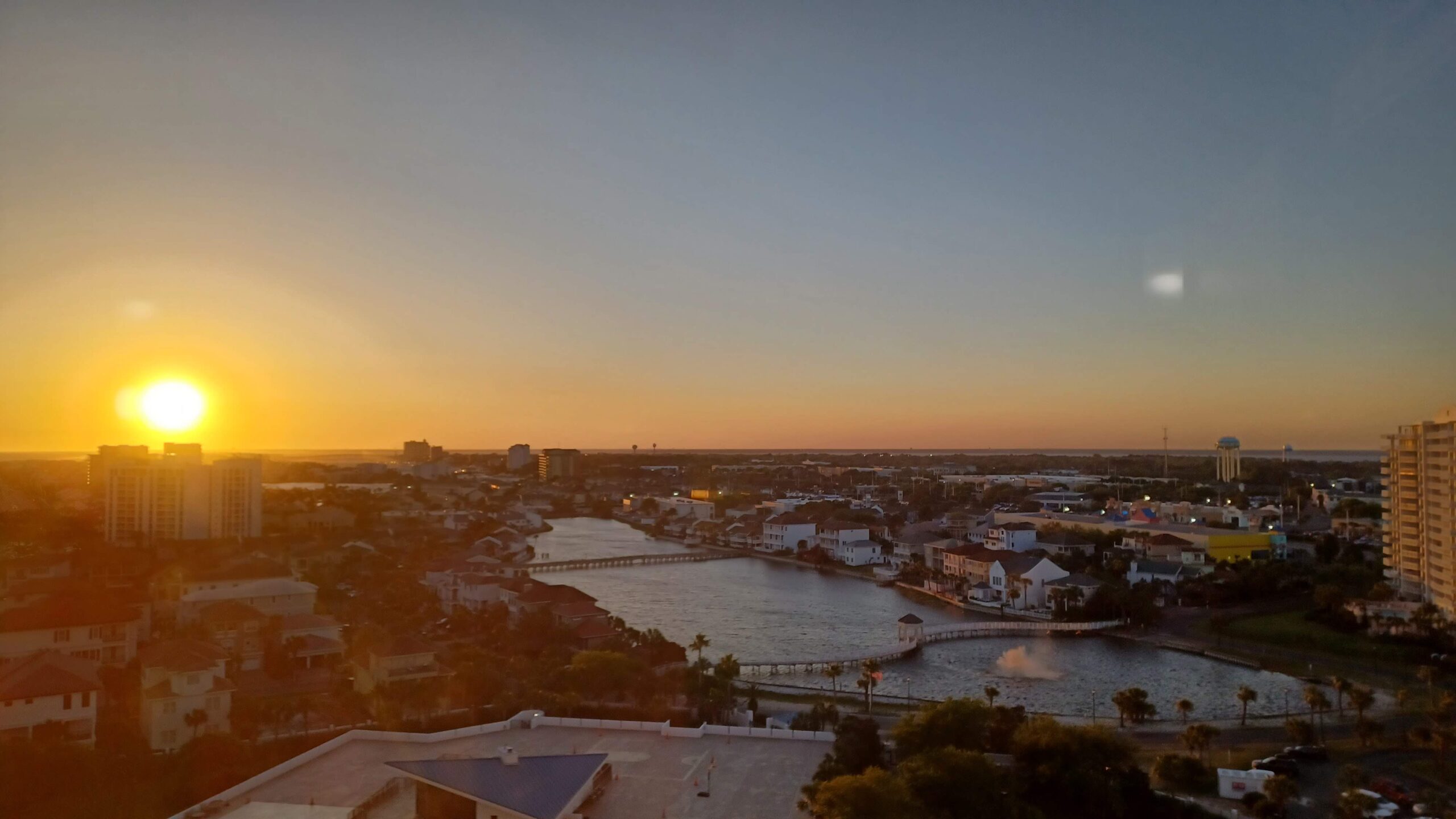
Wildlife watching in Destin is mostly about being in the right place at the right hour, and where you sleep decides how easy that is. A beachfront balcony puts the dawn dolphin watch outside your sliding door: coffee, a chair, and the Gulf. That is the case at our Pelican Beach Resort condos, right on the white sand, where the morning pods cruise past at balcony height. The lakefront at the Southbay Townhouse gives you the other half of the calendar: herons and egrets on the lake at sunrise, osprey overhead, and a short walk to the private beach for the turtle tracks and the evening dolphin watch. Families who want the full wildlife week do well with the townhouse, since it sleeps eight and the kitchen makes early mornings easy; couples and smaller groups who want the beach at their feet do well in the condos.
Whichever you choose, book direct and keep your mornings free. The wildlife runs on its own schedule, and the best sightings happen before the beach fills up. Our how many days in Destin itineraries leave the mornings open on purpose, and our free things to do in Destin list includes the best no-cost wildlife watching spots, including the harbor jetties and the beach at dawn.
The Bottom Line
Destin’s wildlife calendar rewards the early riser and the patient watcher. Sea turtles nest from May through October, with hatchlings from late July into fall. Dolphins are here all year, best at dawn and dusk, and easiest to see from a beachfront balcony or a harbor cruise. Rays migrate in spring and fall and rest in the shallows all summer, so shuffle your feet and keep your eyes open. The birds never leave. Pick your month from the calendar above, keep the lights low and the beach clean at night, and let the animals come to you. They usually do.
Ready to see it? Follow @destindriftstays on Instagram for Destin wildlife sightings, sunrise beach walks, and a look inside our stays. And when you are ready to book, book direct at destindrift.com: the Southbay Townhouse puts your whole group in one lakefront home with a full kitchen, minutes walk to the private beach, and our Pelican Beach Resort condos put you right on the white sand with full kitchens and sunset balconies of their own.
Disclosure: this post contains affiliate links to TripShock. If you book through them, we may earn a small commission at no extra cost to you.


One Comment